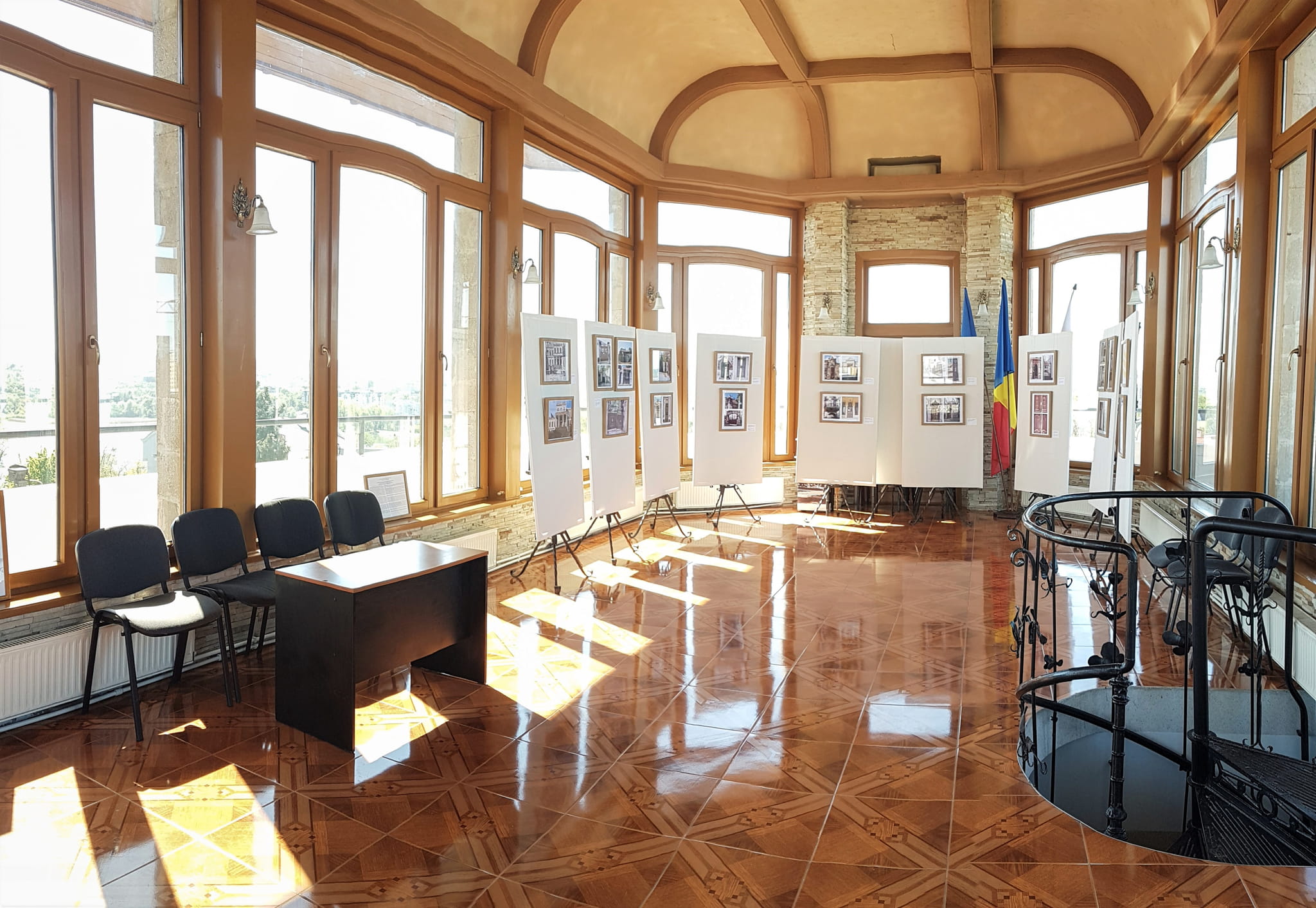
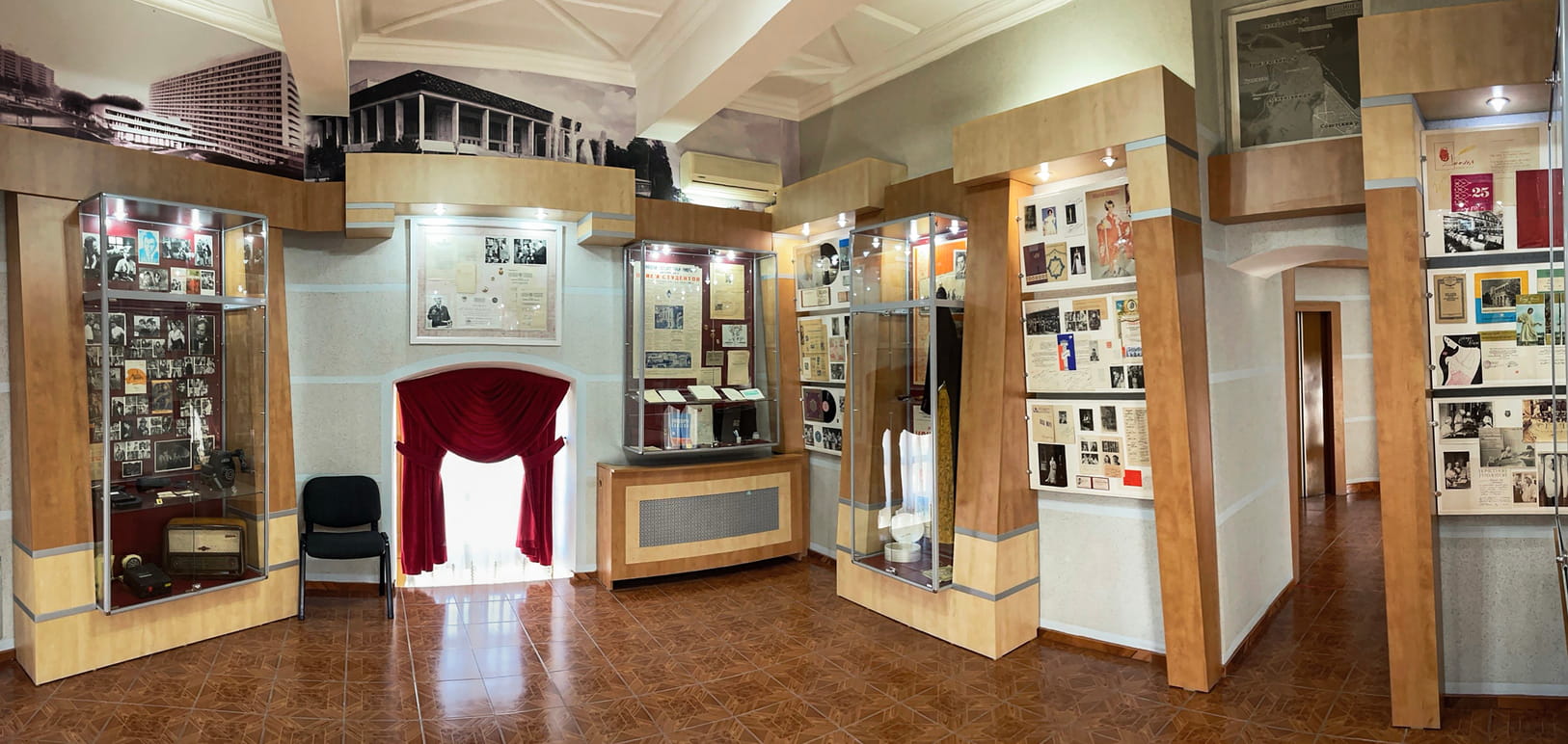
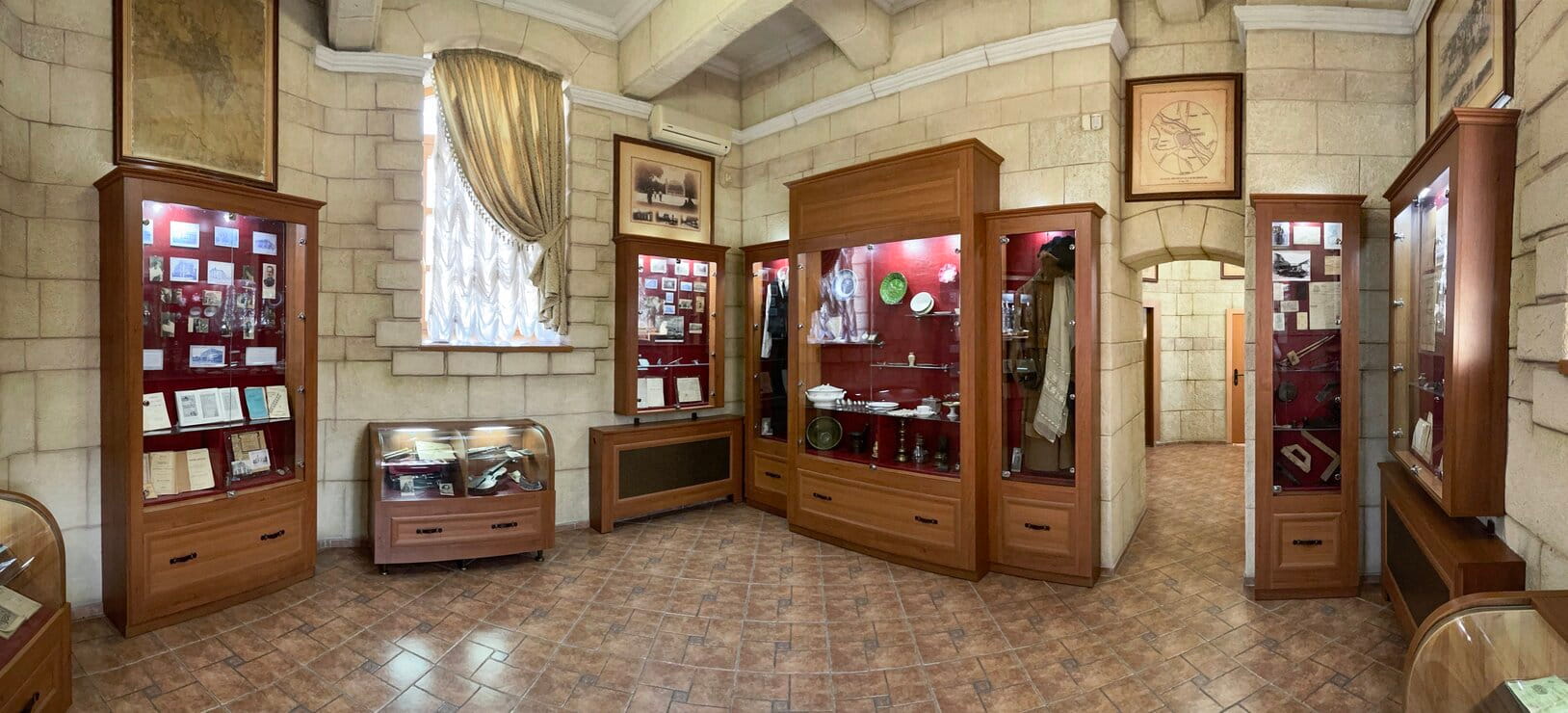
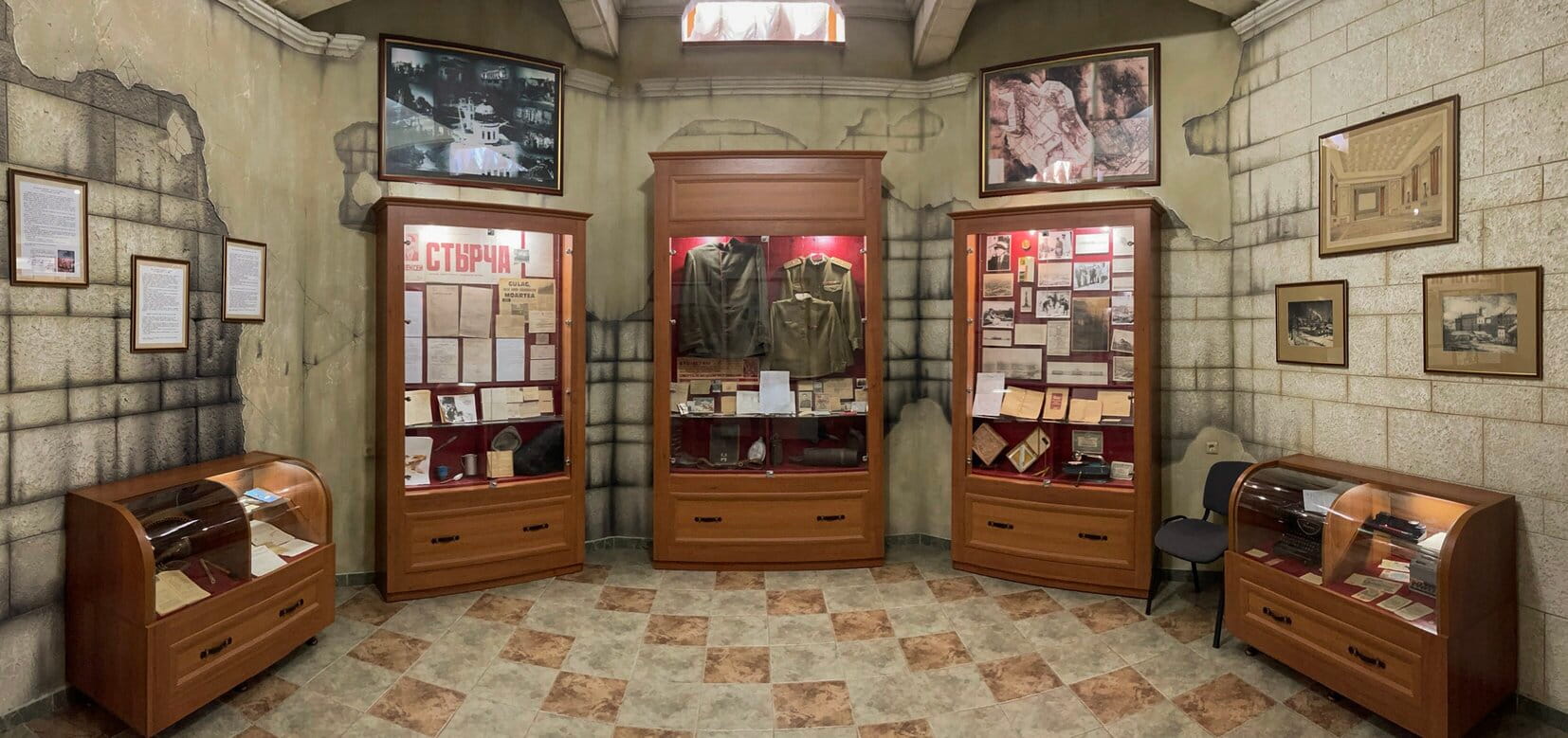
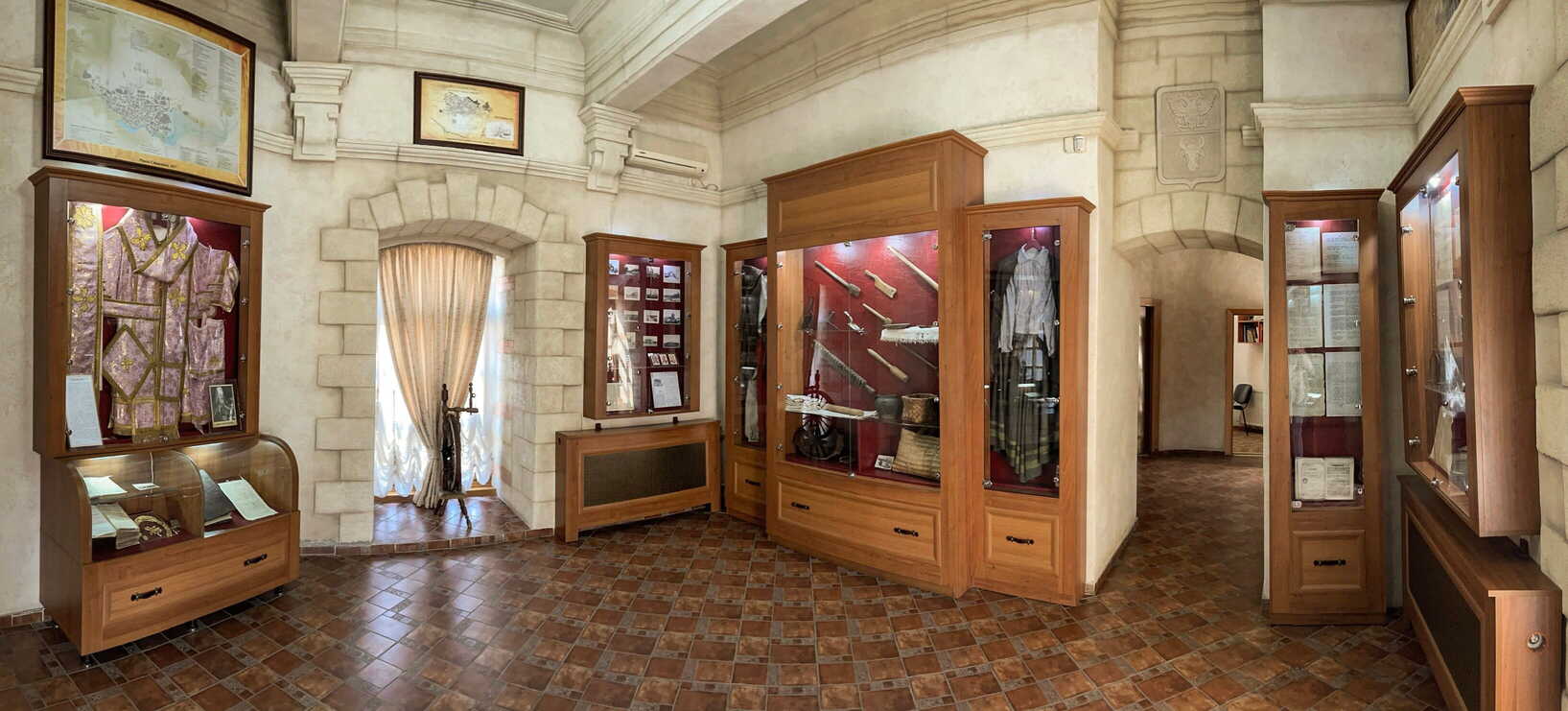
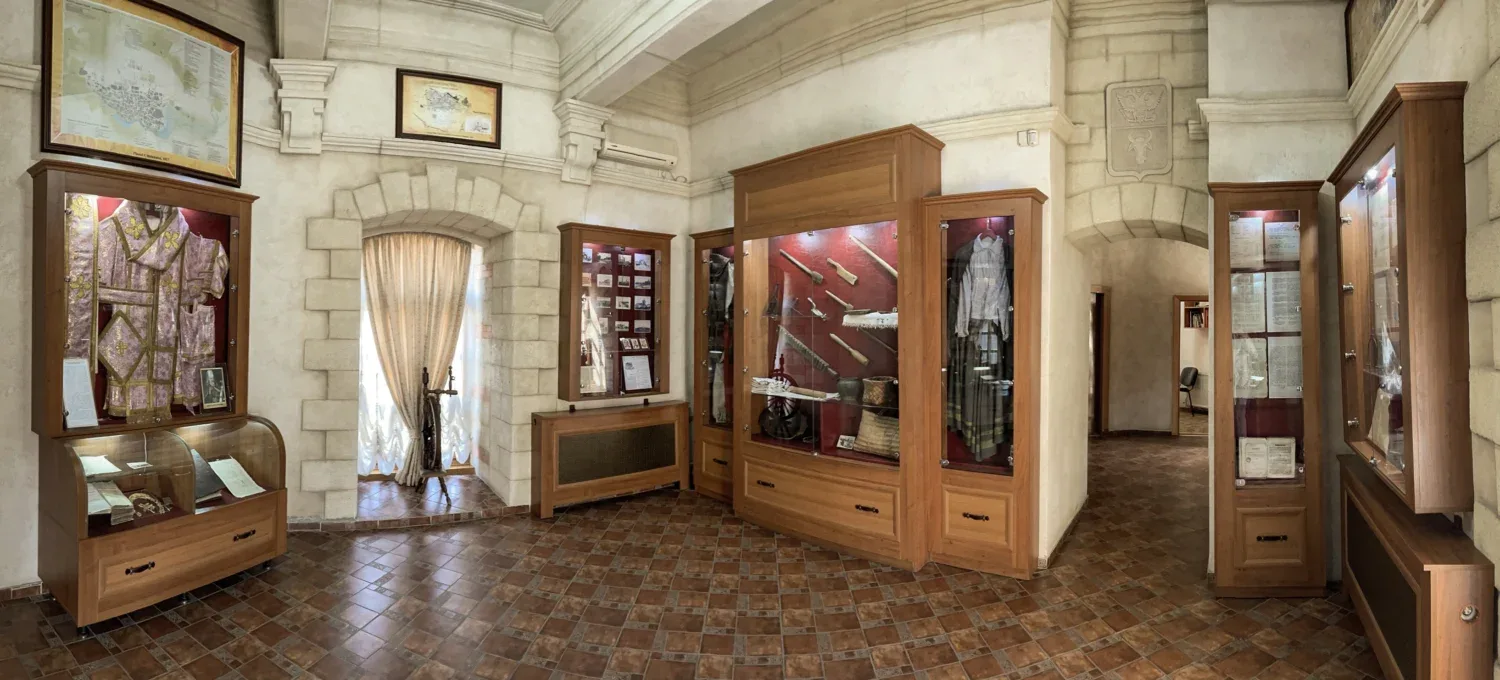
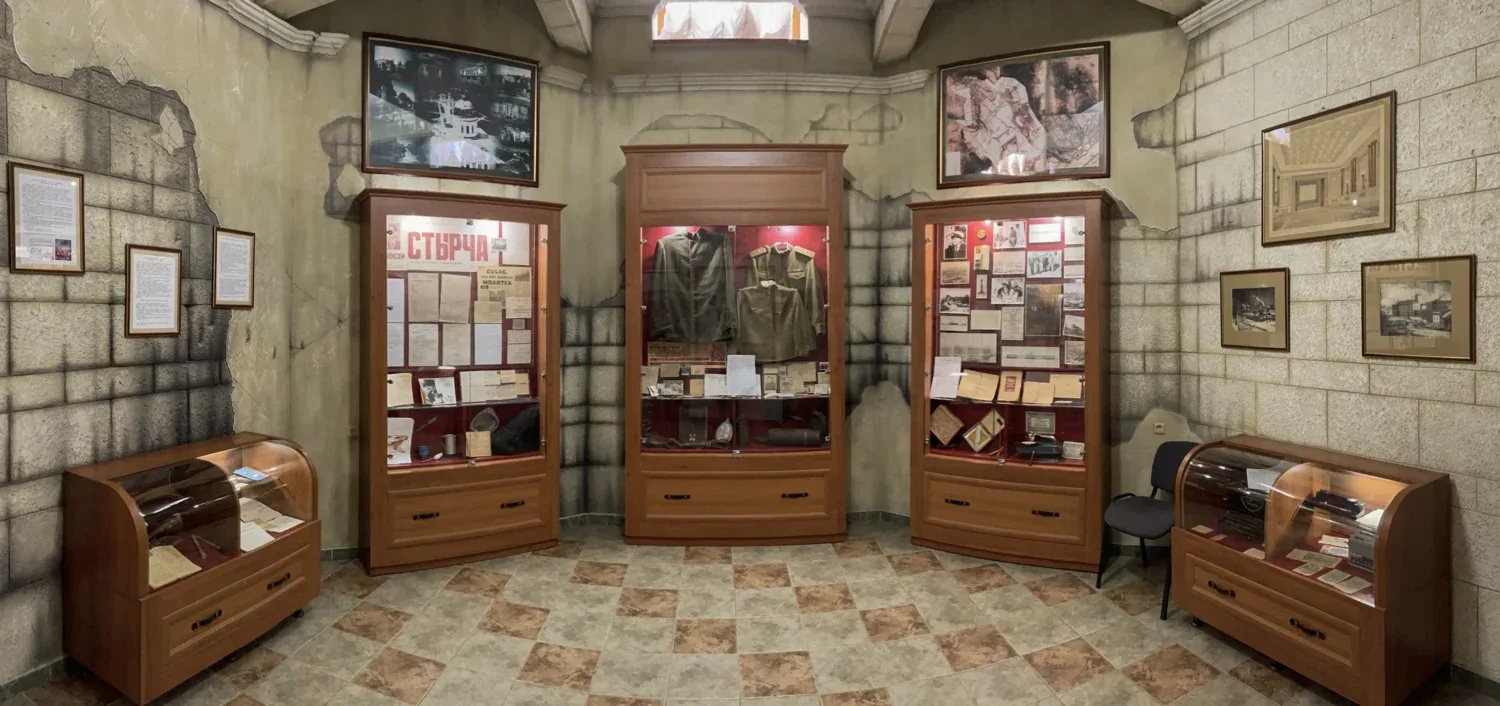
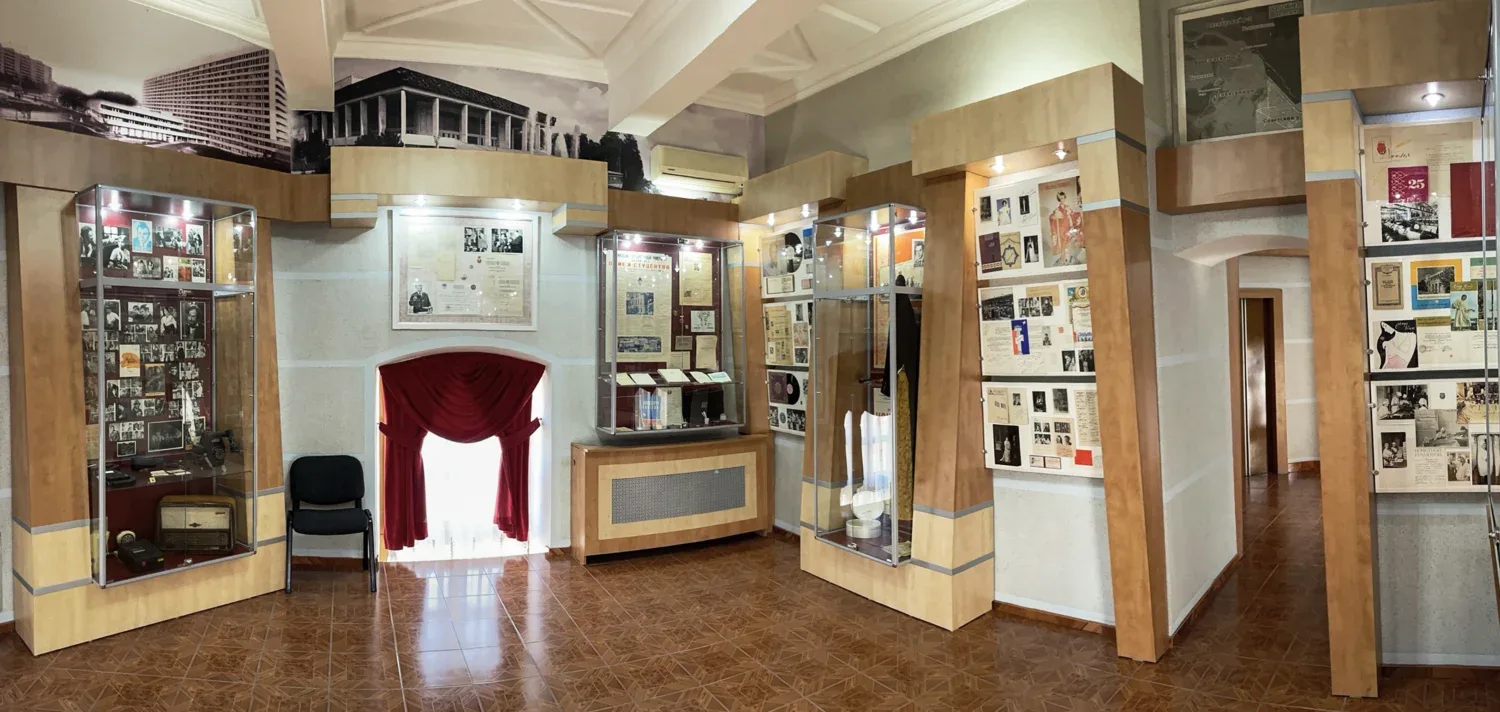
The first level of the permanent exhibition traces the history of Chișinău from the 15th to the 19th centuries, illustrated through medieval documents, historical maps, archaeological remains, and archival materials.
The first documented mention of Chișinău dates to July 17, 1436, in a charter issued by the Moldavian princes Ilie and Ștefan, which refers to a territory located in the Bâc River valley. The original document is preserved today in the Central Archives of Historical Records in Warsaw (Archiwum Główne Akt Dawnych). This reference confirms the existence of a settlement in the area as early as the first half of the 15th century.
The exhibition features copies of medieval documents and historical maps that illustrate the development of the settlement along the Bâc River. These include deeds of donation, property documents, and sales contracts, which reflect the social and economic structure of the locality during the medieval period.
Chișinău’s development was also influenced by the geopolitical context of the era, particularly the Russo-Turkish Wars, which affected the territories of the Principality of Moldavia, including the region between the Prut and Dniester Rivers.
A turning point in the city’s history came in 1812, when, following the Treaty of Bucharest, the territory of Bessarabia was annexed by the Russian Empire. Under the new political and administrative conditions, Chișinău began to develop rapidly, becoming an important regional center. In 1818, the city was proclaimed the administrative center of the Bessarabia region, and the main institutions of the provincial administration were established there.
The Metropolis of Bessarabia, led by Metropolitan Gavriil Bănulescu-Bodoni, played an important role in the spiritual and cultural life of the province. Under his leadership, the Theological Seminary in Chișinău was founded in 1813, and the first diocesan printing press was opened in 1814. The museum’s collection includes a copy of the Liturgy printed in Chișinău in 1818, one of the most valuable documents of the religious culture of that era.
The city’s urban development was accelerated by the general urban planning scheme approved by the Tsarist administration in 1834, which established the principles for the city’s modernization. Initially, the settlement was concentrated in the lower part of the Bâc River valley, but in the first half of the 19th century, the city began to expand toward what is now Ștefan cel Mare și Sfânt Boulevard and the area of what is now Alexei Mateevici Street.
Between 1830 and 1836, the „Nativity of the Lord” Metropolitan Cathedral was built, along with the bell tower, and the Public Garden—one of the city’s first urban recreational spaces—was laid out around it.
Chișinău’s expansion was also facilitated by the incorporation of several nearby towns—Buiucani, Schinoasa, Tăbăcăria, and Mălina—which gradually became suburbs of the city.
The multi-ethnic and multicultural nature of the population led to the establishment of several places of worship belonging to different denominations. Thus, the Lutheran Church (1838) and the Roman Catholic Church (1843) were built. In 1832, the Chișinău Public Library opened, one of the city’s first cultural institutions. In 1840, the Triumphal Arch (the Holy Gates) was erected, a monument that has become one of the capital’s architectural symbols.
The exhibition features vintage photographs, maps, and historical documents that illustrate the architecture and urban development of Chișinău between 1830 and 1870.
In the second half of the 19th century, the city underwent a process of economic and urban modernization, marking the transition from feudal structures to capitalist relations. This transformation is also reflected in the city’s architectural evolution, a process that was consolidated during the period when architect Alexandru Bernardazzi was appointed chief architect of Chișinău, contributing decisively to shaping the city’s modern urban image.